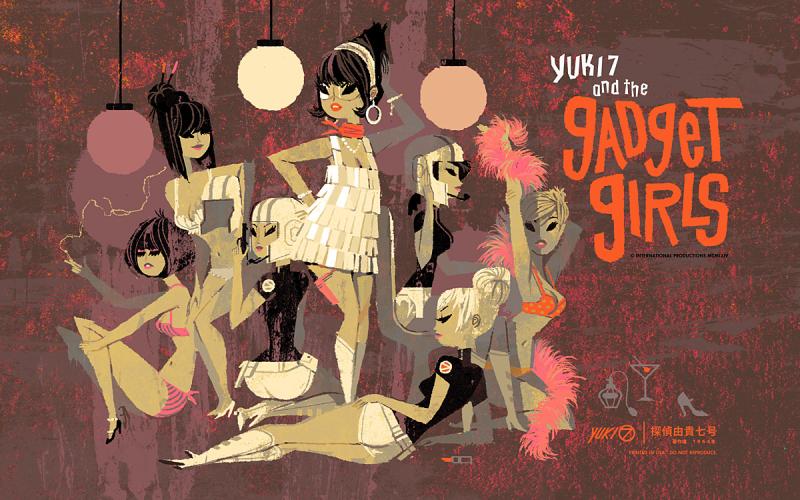
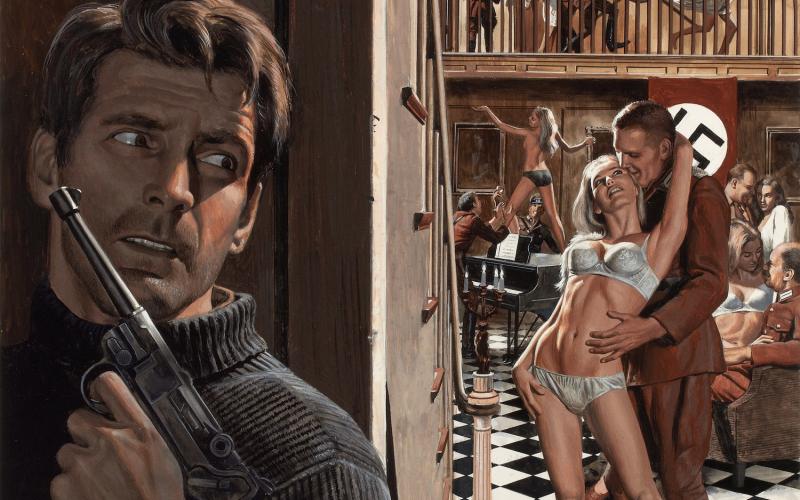
Stylish, bouncy, curvaceous, deadly – And she wants her panties back from old men who carry them in briefcases!
“Yuki7 and the Gadget Girls” are the Mangaesque brainchildren of L.A. artist Kevin Dart. As books and animation Kevin and 14 other illustrators take you into a “fixties” style milieu of jazzy action and toned down colors to underscore a mood of light hearted murder and intrigue. Seducing us with feminine curve gradients deep enough to sink your libido into Yuki and her pack of gal pals grab us by our eyeballs and pull us into an undercover world where the real spy work is the secret of how the girls tap into the code of your sexuality using their tools of utter cuteness.

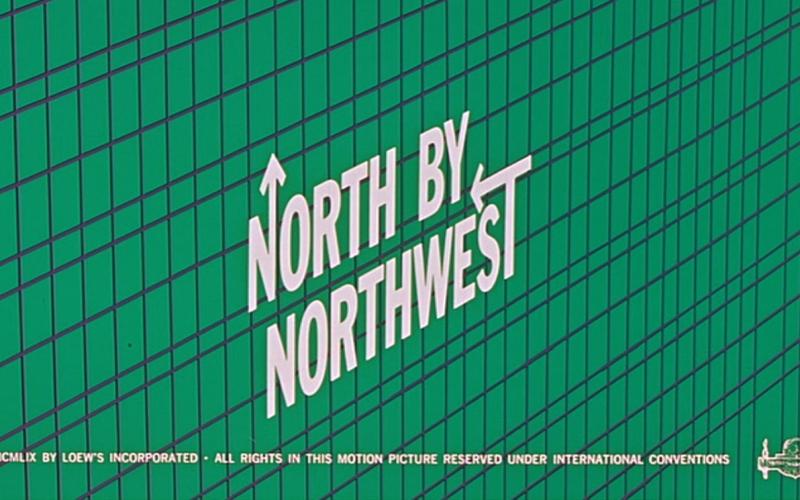
When the opening credits for an Alfred Hitchcock film start rolling, it’s impossible to not be instantly captivated. The simple concept, bold graphics, and dynamic animations are all evidence of Saul Bass’s genius at work.
Saul Bass began his career by designing print ads for movies. His first collaboration with director Otto Preminger was the film poster for Carmen Jones. From there, it seemed a natural progression for Bass to move from designing posters to some of the most memorable film title sequences in movie history. His best-known and often imitated work is Preminger’s Anatomy of a Murder.
Ultra Swank – Your one stop blog for retro living, style and design
Ultra Swank takes you back in time into the kitsch, chic and swank living of the 50s, 60s and the 70s. We mainly focus on the design, architecture and the lifestyle of the happy-go-lucky and space-age-living mentality of that era – but also on the music and movies that takes you back to happier times. Ultra Swank is run by Chris, a Swede born in the wrong decade that currently resides in Barcelona. Read more
Subscribe and follow Ultra Swank

The name’s Binder, Maurice Binder.
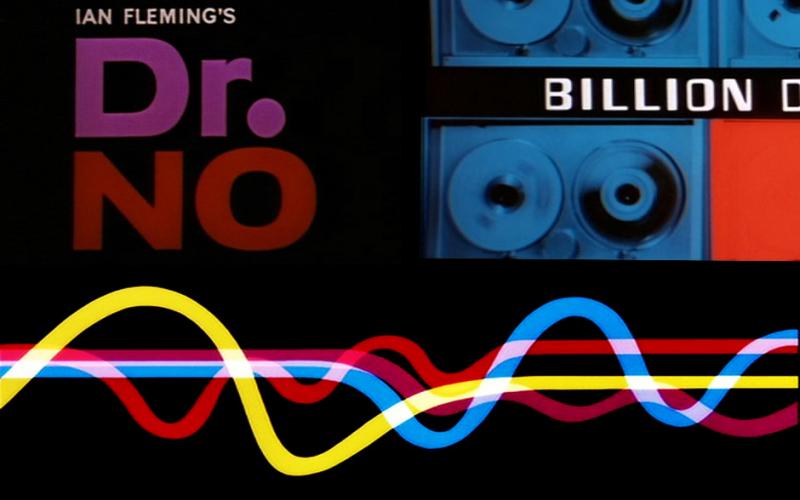
You may not recognize the name but you’d know his work if you saw it. The opening sequence of James Bond looking down a gun barrel is one of the most iconic moments in film history. Through saturated colours and tantalizing silhouettes, Maurice Binder created the most memorable, eye-catching title credit sequences of the 20th century for the James Bond film franchise.
Binder spent the first half of his design career in New York as a graphic designer in advertising, eventually working his way up to Advertising Director for Macy’s department store. Seeking a challenge, Binder turned his attention to film. In 1958, he struck up a working partnership with director Stanley Donen, designing title sequences for Indiscreet, The Grass is Greener, and Charade.

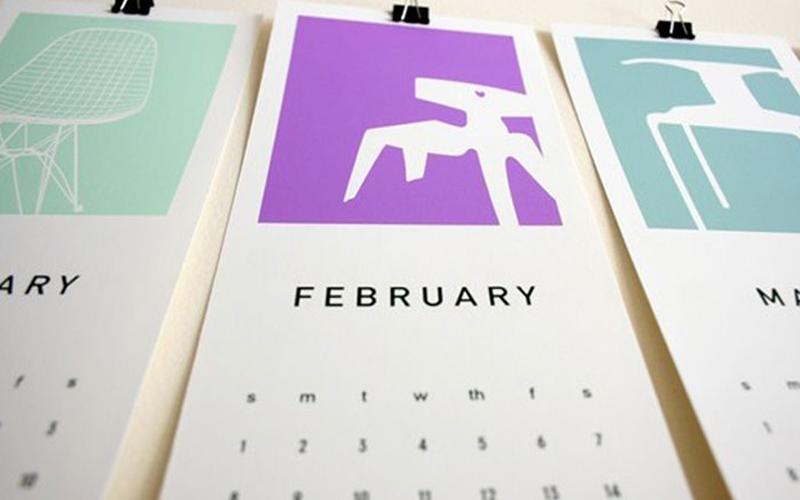
With all the running around preparing for the holidays and shopping for that perfect gift, I always find myself exhausted by New Year’s and once again… no new calendar! Usually by the time I get around to getting one I’ve missed at least January. But not this year! I’ve found some gorgeous mid-century modern calendars – some even free! The best one (I think) is the beautiful letterpress calendar produced by Pistachio Press. It is printed on 100% tree-free cotton paper using environmentally conscious studio practices. Each page is printed by hand on an antique Vandercook No. 4 letterpress. This is the kind of calendar that you want to frame the images when the year is over.
Another fabulous calendar is from Blue Ant Studio. This one is a free downloadable calendar showcasing modern furnishings such as chairs, lamps, and lots of other modern goodness.

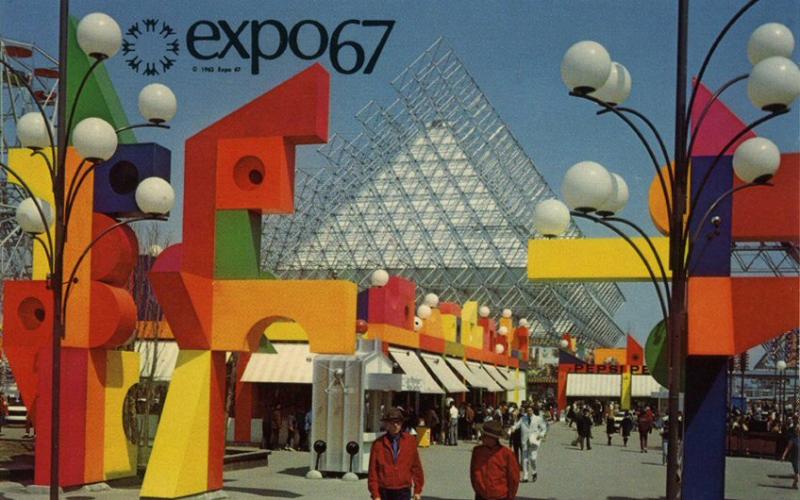
Few events encapsulate the aura of the 1960s like Expo 67. Looking back at the photos and videos of the exhibition, one can get a good idea of the fashions, behaviors, and attitudes of the era. This World’s Fair, one of the most popular, was an overwhelming spectacle of delights for all in attendance.

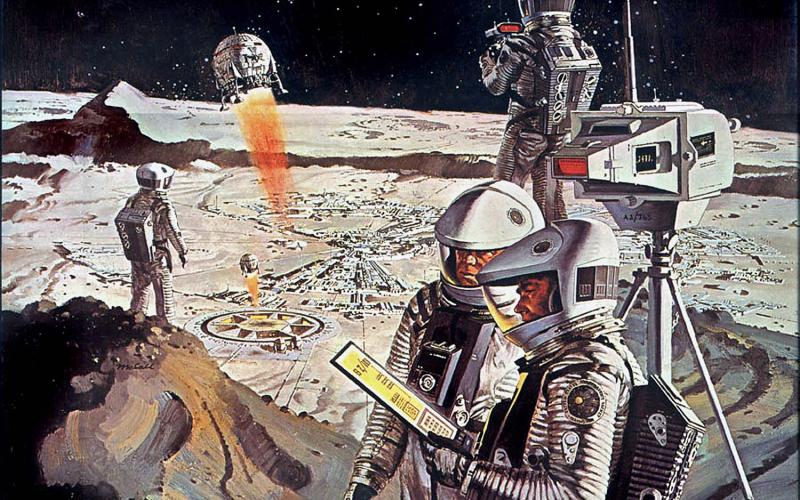
Science Fiction movies and the 1960′s. Shorter distances between the science and the fiction. Bigger budgets and better scripts. New actors who have not spent their entire careers fighting giant, mutant bugs. Special effects that are almost believable.
After MGM’s breakthrough experiment of ‘Forbidden Planet‘ in 1956 and mainstream Disney’s ‘20,000 Leagues Under the Sea‘ of 1954. Hollywood begins to sense that Sci-Fi can be more than drive-in kid stuff. There’s money to be made in them there Martian hills!

Our journey through space travel science fiction has our coordinates locked onto the 1950′s The most Ultra of the Ultra-Swank decades. Receding in our aft view screen is the pulp pre-war period of the 1930′s and 1940′s – the times of cowboys in space. They rode rockets instead of horses and blasted bad guys with ray guns instead of six-shooters.
Our mid-century destination is where the science in science-fiction takes over the controls! We land squarely in the realm of motion pictures- mostly black and white and often projected on the mosquito obscured screens of drive-in theaters. The plots may still be thin, the dialog contrived and the budgets no bigger than a plutonium neutrino but it’s all arc-welded together by the blazing brilliance of the the god in the white lab coat- The Scientist! This is the height of the Cold War and the near vertical climb of American consumerism. Any moment science will end all life on the planet- but in the meantime let’s get that new Hydramatic Futurific Buick with the built-in color TV dishwasher!