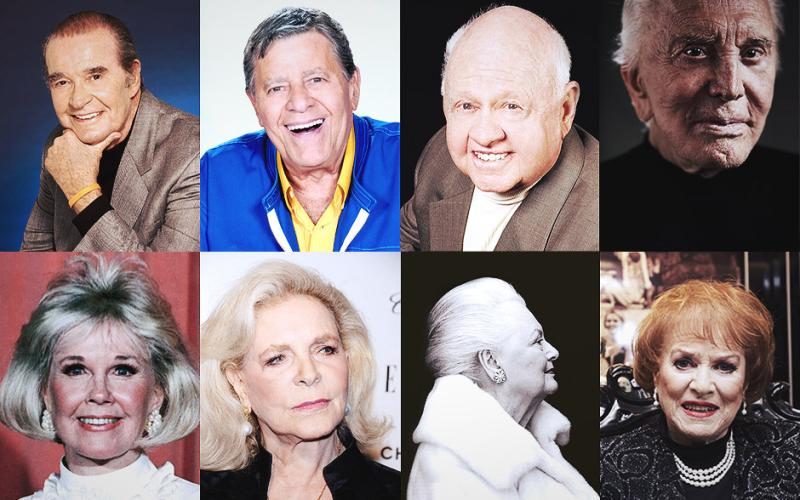
Gone with the Wind, Spartacus, Pillow Talk, To Have and Have Not… these are some of the films that comes to mind when we think of “Classic Hollywood” today. But what of the actors and actresses who appeared in them, the men and women who defined glamour and romance during Hollywood’s golden age… where are they now? Still hard at work.

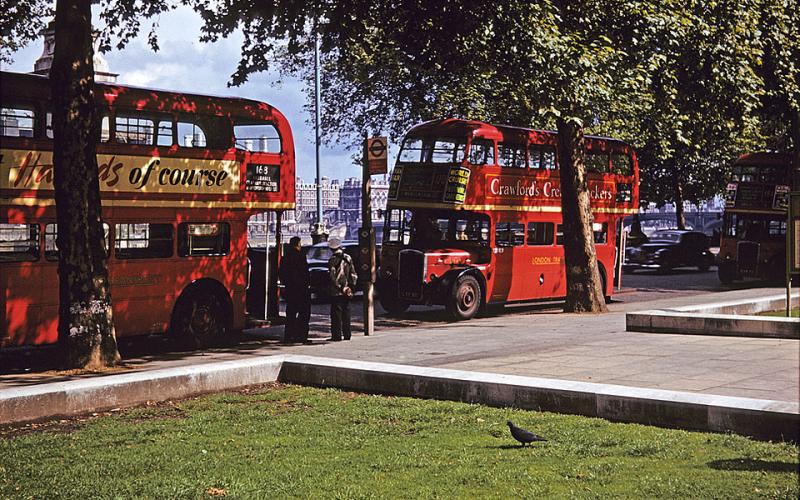
A trip to yesteryear London in 1957, about a decade before the height of “Swinging London” with its youth oriented fashion, music, art and culture scenes. Places depicted are among others Cambridge Circus, Palace Pier and Trafalgar Square. What do you prefer, London in 1957 or 2011? Photos by Kai Krog Halse (Via)
Ultra Swank – Your one stop blog for retro living, style and design
Ultra Swank takes you back in time into the kitsch, chic and swank living of the 50s, 60s and the 70s. We mainly focus on the design, architecture and the lifestyle of the happy-go-lucky and space-age-living mentality of that era – but also on the music and movies that takes you back to happier times. Ultra Swank is run by Chris, a Swede born in the wrong decade that currently resides in Barcelona. Read more
Subscribe and follow Ultra Swank

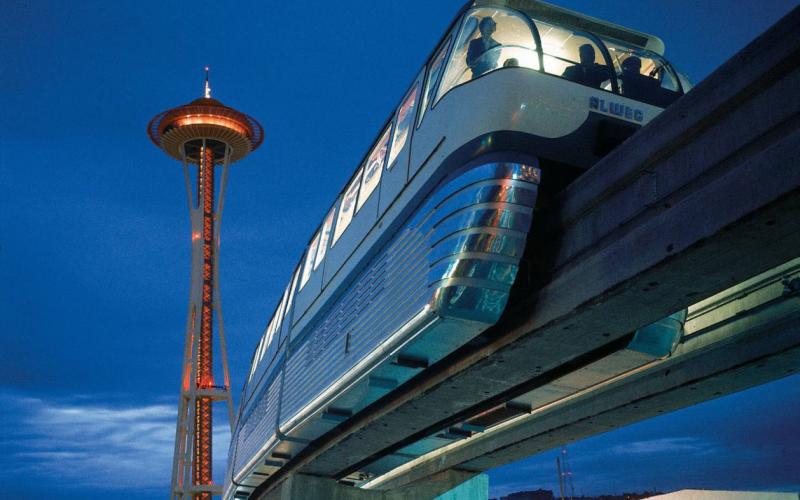
Let’s climb aboard the Alweg Monorail in Downtown Seattle and take a trip back to the 1962 World’s Fair: Man in the Space Age. The Century 21 Exposition brought the first World’s Fair in North America since 1940 and the United States was eager to demonstrate its new ideas and advancements in technology, science and entertainment. Rapid technological advancements, Googie architecture, and the Space Race tantalized imaginations with the possibilities of the 21st century and beyond. The Future promised push button telephones and flying cars. While innovations raced towards the future, values remained firmly rooted in the past. Kitchen gadgets targeted housewives while innovations in office communication targeted businessmen. Nuclear families would populate the suburbs of the Moon in the 21st century.

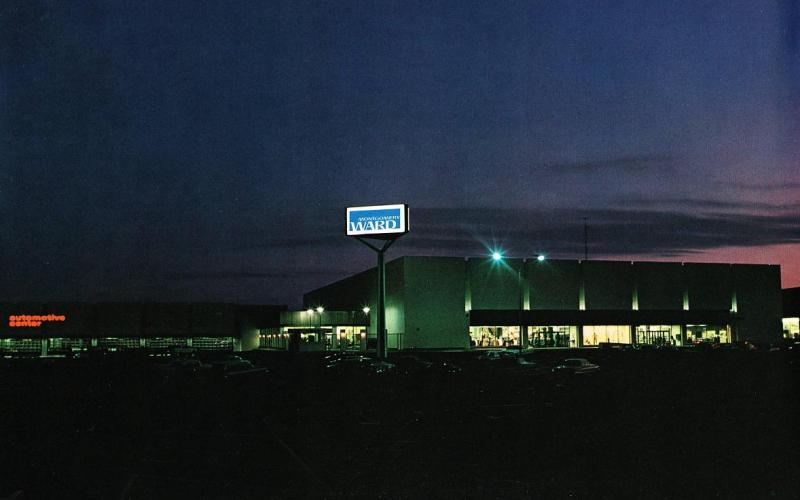
Let’s kick off the new year by spending some of that hard earned money at the local shopping center. Perhaps a new color television, that black suit that’s now on sale or why not a new kitchen appliance for the wifey? There is something for everyone. Where shall we go first? Montgomery Ward, SS Kresgne, Publix or Woolco? I am sure many of you have fond (or perhaps not so fond) childhood memories visiting these stores as a kid. For more shopping adventures and photos head over to the always splendid Pleasant Family Shopping. And don’t forget to check out the other posts in the shopping spree series. Which is your favorite chain or stores that are still alive today?

Time for some more nostalgia, this time from Stockholm, Sweden. I always find it amazing how quickly things can change, usually it’s for the better – but anyone who reads this blog knows that’s not true at all. Depicted are a bunch of street scenes from the capital of Sweden, taken between 1945 and 1978. Even though some of them were shot in the middle of the winter I still find them warmer and more pleasant then their modern counterpart. A sign that times gone by really were that much better? What do you think? (Image source)

In the mid-20th century, lounges and nightclubs served up large doses of fantasy to American adults weary of the recent realities of World War II. Primarily, this was done in two ways: One way appealed to exoticism and escape from modern society while the other reveled in modernity and urban sophistication.
If one wanted exoticism, few did it better than the tiki lounges of Trader Vic’s. If one wanted urban high-life, none did it better than The Playboy Clubs.
Despite their impact and near ubiquity, changing times saw the classic Playboy Clubs vanish from the urban landscape to remain only in the minds of Playboy aficionados, lounge-o-philes, and mid-century mavens. For these folks comes “50 Years of The Playboy Bunny” by former Playboy editor Josh Robertson.

The recent exhibit of Deborah Aschheim’s drawings and architectural installations at Edward Cella A+A focused attention to the iconic modernist landmarks of Southern California that once represented the future. Aschheim’s works documented these structures, once the symbols of Southern California’s utopian dreams, which are now forlorn, crumbling commercial towers, buildings, and centers. Treated for the most part as “unacclaimed” monuments of a distant era, Ascheim described the buildings as a “visual gulf between then and now.”
“When I was growing up, the future was a limitless possibility, jet-aged, space-aged, techno-utopia. ‘Modern’ meant new. Now, modern means old, and the future I grew up with seems dated, irresponsible, and obsolete,” claimed Aschheim.
Aschheim made several visits to each site, and she created her unique works over time. Aschheim explained, “I have been urgently seeking out the buildings, flying and driving and taking trains to them before they are erased. I don’t want to go inside the buildings. I circle them, trying to understand them before they are removed or renovated into the present. It is a strange way to feel about architecture. I am drawing them and building them, somewhat inaccurately and not to scale, entombed in imaginary scaffolding. I am the same age as the buildings. It is a kind of self-portrait.”